
Information
Puppy Information
Congratulations on your new puppy! We’re excited to support you as you begin this journey.
This guide includes helpful information and resources to assist you in caring for your young puppy. The early stages of socialization and training are especially important, as they help build a strong foundation for a happy and healthy life together.
If you have any questions about the topics covered here, please don’t hesitate to contact the clinic—our team is always happy to help.

Puppy Health Topics
Vaccines
Puppies require a series of vaccine boosters at approximately 8, 12, and 16 weeks of age. Once they have completed their initial puppy vaccine series, they will require annual vaccinations to maintain protection.
Parasites
Intestinal Parasites
Internal parasites are commonly passed from the mother to her puppies through her milk. Because of this, proper deworming after adoption is very important.
Some puppies may show signs such as vomiting or diarrhea, but many have no visible symptoms. In severe cases, intestinal parasites can be life-threatening.
Your veterinarian will deworm your puppy during each visit in the vaccine series and may recommend additional treatments if needed.
Adult dogs should also be dewormed regularly to reduce parasite burden and lower the risk of transmission to people.
External Parasites
Fleas and ticks are common in dogs but can be effectively prevented with regular use of preventative products. Please speak with your veterinarian about the best options and timing for your pet.
Food & Nutrition
Puppies should be fed a diet specifically labeled for growth:
-
Small breeds: at least 6 months of age
-
Large and giant breeds: 12–18 months of age
Large and giant breed puppies should be fed a large breed puppy formula, as they have different nutritional requirements than smaller dogs.
-
Always measure your puppy’s food rather than free feeding
-
Follow feeding guidelines on the food bag until your dog is 12–24 months old
-
As your dog matures, adjust portions to maintain a lean, healthy body condition
Proper nutrition is essential for healthy growth and development. In North America, pet foods should meet standards set by the Association of American Feed Control Officials (AAFCO). Look for labels stating the food is formulated to meet AAFCO standards or has undergone feeding trials.
Brands with strong research and testing behind them include Purina, Hill’s, Royal Canin, and Iams.
Grain-free diets are not recommended, as they have been associated with an increased risk of heart disease.
Raw and homemade diets are also not recommended, as they are often unbalanced and may pose a risk of infectious disease to both pets and owners. If you are interested in these diets, please ask your veterinarian about a referral for a nutritional consultation.
Spay and Neuter
There are many benefits to spaying or neutering your pet, and our team is happy to discuss the best timing and options for your individual pet.
Spaying (Females)
Spaying involves removal of the ovaries, with or without the uterus.
-
Spaying before the first heat cycle reduces the risk of mammary (breast) cancer to less than 1%
-
After one heat cycle, the risk increases to 8%
-
After two heat cycles, the risk increases to 26%
Spaying also prevents ovarian and uterine cancers, eliminates the risk of uterine infections, and prevents unwanted pregnancy.
Neutering (Males)
Neutering involves removal of the testicles.
-
Helps reduce behaviors such as roaming, fighting, aggression, marking, and spraying
-
Eliminates the risk of testicular cancer
-
Reduces the risk of prostate disease
Neutering does not change your dog’s personality, despite common misconceptions.
If you’d like, I can format this into a website-ready layout with icons, callouts, or collapsible sections to make it more engaging for clients.
Teeth & Dental Care
Your puppy’s dental health is an important part of their overall well-being.
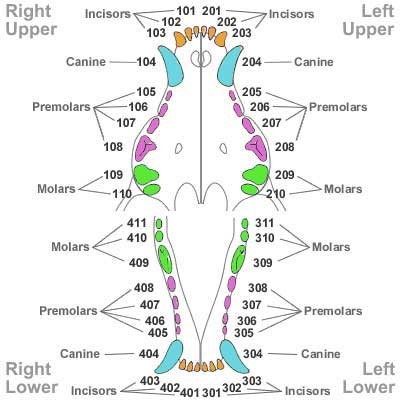
Your veterinarian will examine your puppy’s teeth at each visit and let you know if there are any concerns. Some dental issues may not be fully apparent until adult teeth have come in.
At the time of your pet’s spay or neuter procedure, a thorough dental exam is often performed while under anesthesia to identify and address any concerns.
Small breed dogs and brachycephalic (short-nosed) breeds are especially prone to dental disease. If you have questions about your puppy’s teeth or dental care routine, please ask your veterinarian.
Insurance
Pet insurance can be a valuable tool for managing unexpected veterinary costs if your pet becomes ill or injured.
The best time to enroll is when your puppy is young and healthy, as premiums are typically lower and coverage options are broader.
If you have questions about pet insurance or would like help comparing options, please speak with your veterinarian.


Puppy Training Topics
Socialization
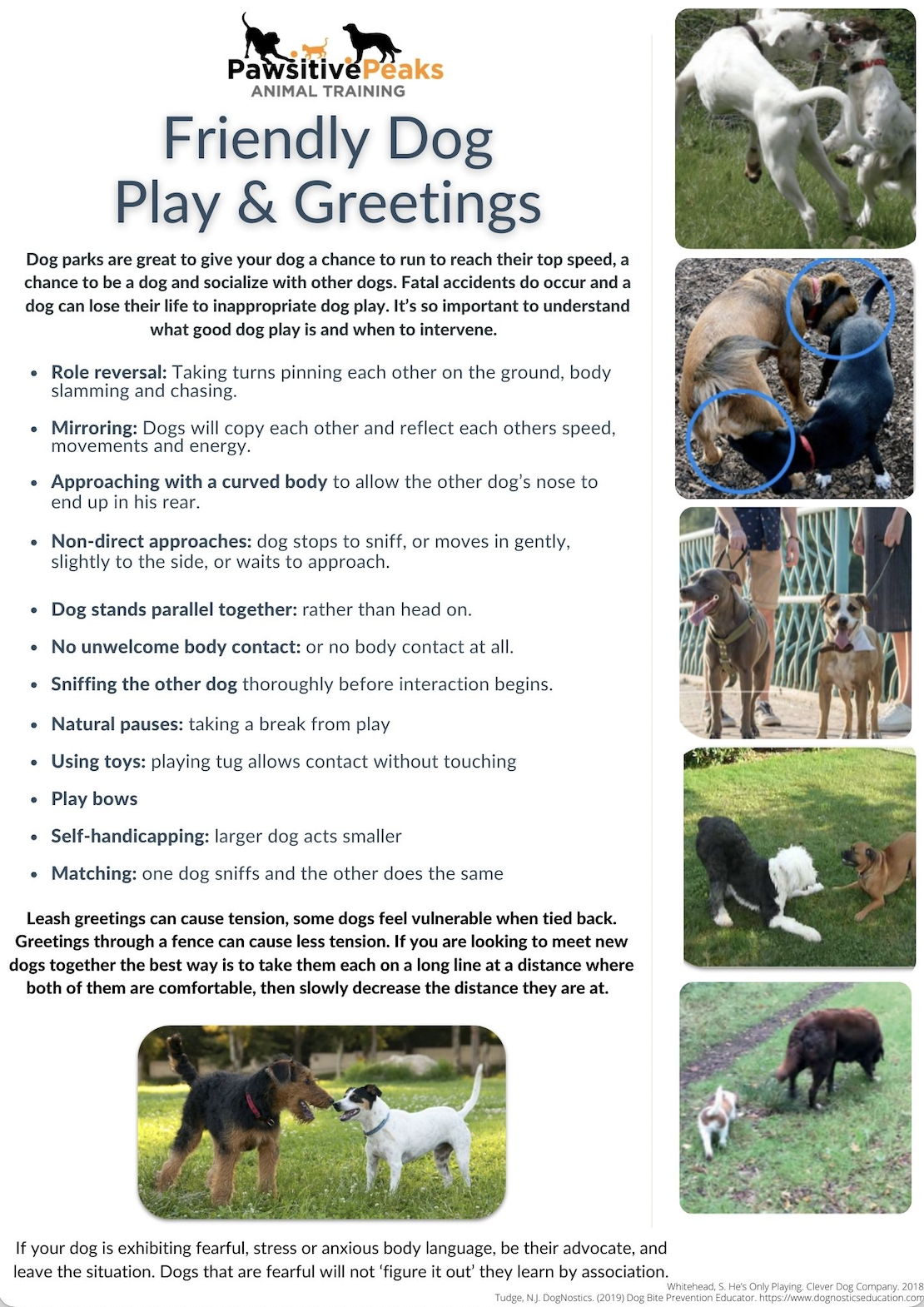
Your puppy goes through a critical learning period from 6 to 16 weeks of age. During this time, they are constantly forming associations with their environment based on how they feel.
It’s important to ensure your puppy has positive, safe, and comfortable experiences while being introduced to new people, places, sounds, and objects. Always pay attention to your puppy’s body language and avoid overwhelming or frightening situations.
-
Introduce your puppy to new environments gradually
-
Take short trips to different neighborhoods or locations
-
Expose them to a variety of sights, sounds, and surfaces
Toilet Training
Routine & Schedule
Set a regular schedule and take your puppy to their designated potty area frequently—starting about every hour. You may need to carry or leash your puppy to help guide them.
Supervision is Key
Close supervision is essential. Use tools like crates, exercise pens, or leashes to help monitor your puppy and recognize potty signals such as sniffing or circling.
Positive Reinforcement
Reward your puppy immediately after they eliminate in the correct area using treats, praise, or toys. Even small successes near the potty area should be rewarded.
Accidents Happen
Accidents are part of the learning process and usually occur due to missed signals or lack of supervision. Avoid punishment, as it can create fear and confusion.
Management
Managing your puppy’s environment can help prevent unwanted behaviors. This includes:
-
Using crates, exercise pens, or baby gates
-
Removing tempting items or hazards
-
Keeping food and valuables out of reach
Teething, Mouthing & Chewing
Teething
Puppies lose their baby teeth and gain adult teeth between 3–6 months of age. During this time, chewing increases.
Provide a variety of safe chew options:
-
One hard (rubber) toy
-
One medium toy
-
One soft toy
Avoid very hard items like antlers or bones, as well as tennis balls or felt toys, which can damage teeth.
Chewing
Dogs chew for many reasons, including teething, boredom, and exploration. Providing appropriate outlets and supervision helps prevent destructive behavior.
Mouthing
Puppies explore using their mouths, which can lead to nipping. It’s important to teach them to keep their teeth away from human skin by redirecting them to appropriate toys and reinforcing gentle behavior.
Jumping
Start teaching polite greetings early. Encouraging calm behavior while your puppy is small helps prevent jumping as they grow.
Reward your puppy for calm interactions and avoid reinforcing jumping by giving attention when they are overly excited.
Training Methods
We recommend using positive reinforcement training, which means rewarding behaviors you want to see more often.
-
Use treats, praise, or toys to reinforce good behavior
-
Reward desirable behaviors frequently, especially during early learning
-
Ignore unwanted behaviors and redirect to appropriate alternatives
Avoid punishment, as it can lead to fear, stress, and confusion. It does not effectively teach your puppy what is expected.
“Smart 50” Exercise
Count out 50 treats each day and reward your puppy for positive behaviors such as sitting, relaxing, or making eye contact. This helps reinforce good habits and encourages your puppy to repeat them.
Additional Resources
Have questions?
We're here to help. Please complete the form below and a member of our team will get back to you as quickly as possible. If this is an emergency situation, please call us at 780-624-1606.