
Information
New Kitten Information
Congratulations on your new kitten! We’re excited to help you get started on this journey. Below is some helpful information to support you in providing the best care for your new pet.
What Your Cat Needs
To keep your kitten happy and healthy, be sure to provide:
-
Food – Consistent meal times and separate feeding stations for each pet
-
Water – Clean, fresh water in appealing containers and locations
-
Litter Box – A clean, private, and easily accessible space
-
Safe Place to Sleep & Relax – Soft bedding in a quiet area with familiar smells and sounds
-
Many cats prefer elevated sleeping areas (such as shelves or dressers)
-
Others prefer enclosed or hiding-style spaces
-
-
Scratching and Climbing Areas
-
Daily Play and Enrichment Opportunities
Note: In multi-cat households, each cat should have their own set of these resources.
Vaccines
Kittens typically begin their vaccine series at 6–8 weeks of age, with boosters every 3–4 weeks until over 16 weeks of age (commonly at 8, 12, and 16 weeks).
These vaccines help protect your kitten as the immunity from their mother decreases. They are especially important for preventing contagious respiratory illnesses, which can be brought into the home on clothing or shoes—even for indoor cats.
After completing the initial series:
-
Vaccines for respiratory viruses are given annually
-
Rabies vaccines are given every 1–3 years
For more information, please visit:
https://catfriendly.com/keep-your-cat-healthy/vaccines/
Parasites
Internal Parasites (Worms)
Worms can cause vomiting, diarrhea, or a bloated abdomen, but many kittens show no signs.
We recommend deworming at 8, 12, and 16 weeks of age, typically during vaccine visits, and at least once yearly thereafter.
External Parasites
Common parasites include ear mites, fleas, lice, and ticks. Ear mites are especially common in kittens and can cause itching and irritation. Your veterinarian will check for these at each visit.
If you notice itching or ear scratching, please contact us.
Important: Many over-the-counter parasite products can be toxic to cats. Always consult your veterinarian before using any treatments.
For more information:
https://catfriendly.com/keep-your-cat-healthy/parasite-prevention/
Diet & Feeding
Diet
Cats are obligate carnivores and require a diet high in animal protein. They also have a low thirst drive, so feeding a high-moisture diet (such as canned food) is highly beneficial.
Providing water fountains or multiple water stations can help encourage drinking.
Kittens should be fed a diet labeled for growth/kittens until at least 6 months of age. Look for foods that meet AAFCO standards for complete and balanced nutrition.
Foods labeled “all life stages” may not always meet a kitten’s specific nutritional needs.
Feeding
Cats are natural hunters and are designed to eat small, frequent meals throughout the day.
-
Avoid free feeding (leaving food out all day)
-
Offer multiple small meals daily
-
Consider using timed feeders
-
Provide enrichment activities to encourage natural hunting behaviors
For more information:
https://drahmarch.evetsites.net/cats-water.pml
https://drahmarch.evetsites.net/canned-food-for-cats.pml
https://catinfo.org/
Spay and Neuter
Spaying (Females)
Spaying removes the ovaries (and sometimes the uterus) and helps:
-
Reduce the risk of breast cancer
-
Prevent heat cycles
-
Eliminate the risk of uterine infections (pyometra)
-
Prevent unwanted litters
Neutering (Males)
Neutering helps reduce:
-
Roaming
-
Fighting
-
Urine spraying/marking
We typically recommend spaying or neutering cats at around 6 months of age.
Insurance
Pet insurance can help cover the cost of unexpected illness or injury. The best time to enroll is when your kitten is young and healthy, before any medical conditions develop.
Pre-existing conditions are not covered, so early enrollment is important.
We offer direct billing and free 30-day trials through Trupanion. Please let us know if you’d like to get started.


Toxic Materials
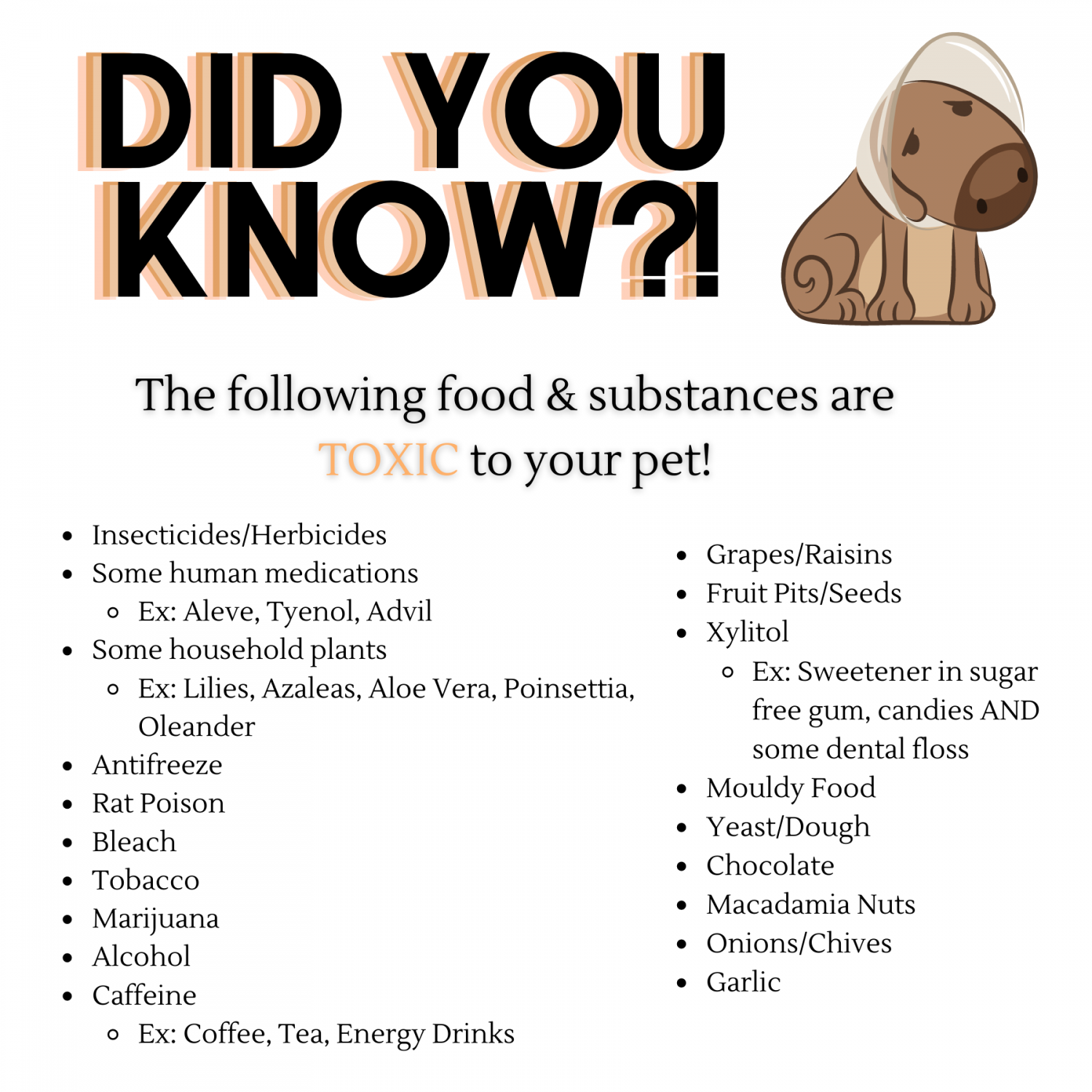
Young animals are naturally curious and may be more likely to ingest harmful substances. To keep your pet safe, be aware of the following foods and items that are toxic:
[List your toxic foods/substances here, e.g., chocolate, grapes, onions, xylitol, household cleaners, certain plants, medications, etc.]
Always keep these items out of reach, and if you suspect your pet has ingested something harmful, contact us immediately.
Keeping Your Home Safe
Young pets are naturally curious and may explore areas that could be dangerous. For tips on making your home safe for your cat or kitten, please see:
Always keep toxic substances out of reach, and contact your veterinarian immediately if you suspect your pet has ingested something harmful.
Scratching Behaviour
Scratching is a normal and necessary behaviour for cats. You can work with your cat’s natural instincts while protecting your furniture:
-
Provide scratching posts or pads in locations your cat enjoys
-
Encourage use with treats or catnip
-
Never punish your cat for scratching
Important: Declawing is banned in this province as a medically unnecessary surgical procedure.
Learn more about healthy scratching behaviour here: Scratching Behaviour Resources
The Litter Box Survival Guide
Cats prefer a clean bathroom, just like we do. Daily scooping is strongly recommended, as many cats will choose to eliminate elsewhere if the box is not maintained.
Choosing Litter
-
Unscented, clumping, dust-free litter is preferred
-
Consistency matters—once your cat likes a brand, avoid switching
Choosing a Box
-
Most cats prefer a large, open box at least twice their body length
-
Under-bed storage containers or Rubbermaid tubs work well if modified with a low opening for easy access
-
For higher-sided containers, cats often prefer a clear or see-through box
Example: A standard storage tote can make a functional litter box without modification.

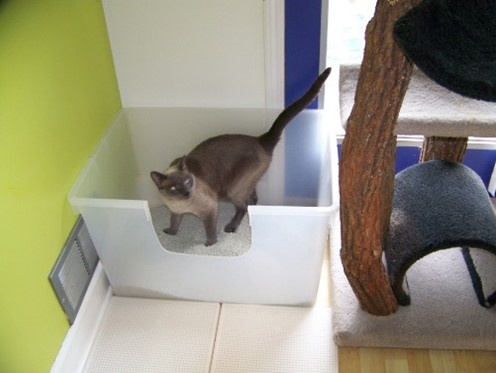
For instructional video on making your own litter boxes like this with taller sides:
https://www.youtube.com/watch?v=n_KBWzHvNn4
Litter Box Location & Setup
Most kittens are easy to litter train when you provide a litter box that is easy to find and easy to enter. A few tips for success:
-
Type of litter: Use unscented, non-clumping clay litter initially.
-
Introduce your kitten: Place your kitten in the litter box a few times when you first bring them home to show them where it is.
-
Number of boxes: Provide one litter box per cat plus an extra. This reduces inter-cat conflict and lets each cat choose their preferred box.
-
Location: Place boxes in quiet areas with minimal foot traffic.
-
Maintenance: Scoop daily and completely change and scrub the litter box at least once per week.
-
Multiple levels: Make sure there is a litter box accessible on every level of the house.
Additional resources:
Feline House Soiling
Sometimes kittens or cats urinate or defecate outside the litter box. There are effective ways to prevent, manage, or resolve this behavior. For more guidance, contact our clinic or ask about resources for house soiling prevention.
New Kitten Socialization
Creating positive experiences for your kitten at a young age is key. Early socialization helps your cat feel confident, comfortable, and happy in your home.
Have questions?
We're here to help. Please complete the form below and a member of our team will get back to you as quickly as possible. If this is an emergency situation, please call us at 780-624-1606.